
Bunions are one of the most common forefoot deformities. A displacement of the bone under the 1st toe occurs. This causes the big toe to move towards the smaller toes. This shifting of the bones causes a bony prominence on the side of the patients foot (the bunion joint). Over a period of time the big toe may come to rest under (occasionally over) the 2nd toe.
A bunion is more common in women than men due to women wearing tighter fitting shoes. This condition can cause a variety of different soft tissue and bony complaints which may result in severe pain.
Symptoms include redness, swelling and pain which may be present along the inside margin of the foot. The patients feet may become too wide to fit into their normal size shoes and moderate to severe discomfort may occur when the patient is wearing tight shoes. A "hammer toe" may occur at the 2nd toe. This is when the toe contracts and presses on the shoe. Subsequently, this may cause a corn on top of the 2nd toe.
Corns and calluses may occur on the soles of the feet, in between toes and on the bunion joint. Stiffness can occur at the big toe due to secondary arthritis, this is known as Hallux Rigidus. Other foot conditions can occur such as in growing toenails and in severe cases the bunion joint may have a fluid filled sack called a BURSITIS. This can be very painful and can become infected.


 The most common cause of a bunion is over pronation, this is when your foot rotates in too much as you walk. You really need to treat the underlying cause of the bunion as soon as possible to prevent any further damage. View the Dr Foot Pro Insoles which are for wide fitting shoes or the Slim Fit Pro for slim fitting shoes.
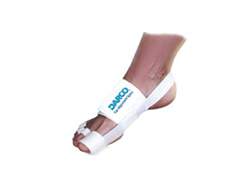
 Bunion Night Splints can reduce the size of the bunion. This will straighten the bunion while you sleep, click here to view this product
 A Bunion Shield can reduce the pain over the bunion. View product here
 Performing stretches on your toes and feet while you go about your daily routine. This increases circulation, red blood cell activity, and bone realignment. The easiest way to do this is by using a soft, flexible, medical grade gel Toe stretcher which is gentle between the toes and helps to straighten your toes. View the product here
 Dr Foot Recommends
 £ 21.00
 £ 24.00
 Our bunion product range treats every aspect of a bunion. Bunion night splints correct a bunion while you sleep and can prevent the need for bunion surgery. Insoles and orthotics correct the bunion while you walk. Our silicone product range gives instant relief for painful bunions by reducing friction and irritation between adjacent toes
A quick, Secure and Easy to use Foot Store

 "Hi there,
Nada Korachi, UK