
The term neuroma refers to a swelling of a nerve. The nerve commonly affected is a small nerve that connects the 3rd and 4th toes, counting from the big toe. The patient will complain of pain in the sole of the foot.
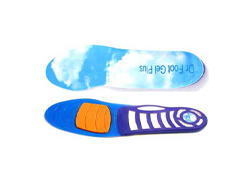
 Mechanical problems with the feet such as overpronation. Overpronation can be simply described as a condition, which causes your arches to flatten out when you stand up. This causes your ankles to roll in towards each other and disturbs your normal walking pattern. If a foot overpronates the structures of the foot are put under stress, which increases the likelihood of a neuroma occurring. The Dr Foot Gel Plus insoles supports the forefoot and arch which prevents the metatarsals from dropping. As a result, this helps reduce the squeezing of the nerve and consequent tingling and pain associated with Morton's Neuroma.

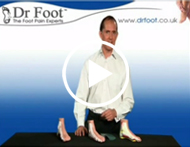
 Various types of metatarsal pads can be used to redistribute pressure away from the lesion. View some examples here
 Dr Foot Recommends
 £ 15.00
 £ 25.00

 This elastic sleeve slips onto your forefoot to reduce pressure and provide extra cushioning protection. If you suffer from Morton's neuroma, painful calluses or general forefoot discomfort, this extra soft and breathable silicone pad offers you tremendous relief.
A quick, Secure and Easy to use Foot Store

Mr Mackintosh, London UK